I remember when I learned about the terrorist attacks of September 11th, 2001, pretty well. I was still a recently-returned missionary from Russia who was attending fall semester at Brigham Young University. I don’t remember exactly if I was going into or out of a class, but I was near the Carl F. Eyring Science Center (ESC) and ran into a guy who had grown up near two where I lived, often in the same church ward. He excitedly and agitatedly told me about a plane having flown into the World Trade Center. That was a very perplexing bit of news, but I think I was more puzzled by the interaction itself since this particular person had never been very fond of me. It must’ve been pretty serious news to have someone who usually avoided me tell me about something. I don’t remember how the next couple hours went, but, eventually, classes were cancelled, and most students, including myself, went back to our apartments to watch the news unfold.
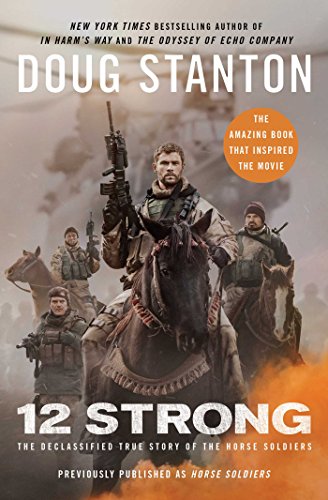 12 Strong: The Declassified True Story of the Horse Soldiers by Doug Stanton (ISBN: 978-1-5011-7995-2) tells the story of the earliest American soldiers to go into Afghanistan after the attacks that rocked America. The book starts with the airplanes flying into the World Trade Center and the reactions of the Army Special Forces soldiers who would eventually be the first to respond. The reader learns quite a bit about the lives of the twelve guys to go into Afghanistan. There were a variety of backgrounds, but all were committed to serving their country and making sure the terrorists didn’t strike again. The book tells of their preparations, some of which were rather unorthodox, including buying things from local stores or ordering supplies from catalogs. Actually getting into Afghanistan was a complicated matter, even with bases nearby in Uzbekistan. The helicopter rides from Uzbekistan to Afghanistan were harrowing experiences with pilots flying blind in unfamiliar territory with unfamiliar weather patterns. They eventually made it, though, and then the soldiers got to doing what they were trained to do. It wasn’t just fighting, though, as they were also trained to adapt to local conditions and get in the heads of the people they would be fighting with and against. They had to make allies out of temperamental Afghan warlords. The book portrays this as happening fairly easily and quickly, which may have been the case, but the men expressed a lot of trepidation about how their interactions with the Afghan leaders would go and were grateful for the American firepower that backed up what they were claiming they’d be able to help with. The initial American soldiers were careful to remain in their advisory roles and let the Afghans run the war. This also built respect and trust, and was a key to both building alliances and successful military action. The special forces soldiers were convinced that their work in Afghanistan was so successful because it was really the Afghans’ fight against the Taliban — America was just helping. One subplot, if it can be called that, in the book is the story of John Walker Lindh, the American who joined the Taliban. He was a prisoner that some of the soldiers in the book came in contact with. The book closes with happy reunions for the soldiers after completing their tour of duty, but then some must turn around and go to Iraq. They answered the call of duty, but most did not see the war in Iraq in the same light as that in Afghanistan, and it ended in the loss of life for some of them. They didn’t see the same system in Iraq, where the Americans were simply advisors and the suppliers of firepower, and that bode badly, according to them.
The book was a very interesting one. I did not know a lot of what I read. It was incredible to read of the combining of cutting-edge technology leading bombs to their targets using lasers and GPS and soldiers leading charges on horses, the Afghans often wearing threadbare clothes and makeshift shoes. It was inspiring, really, to read of the Afghans who were fighting for their liberty. They didn’t want any part of the oppressive Taliban regime. On the other hand, it was depressing to read because of the way the situation in Afghanistan has regressed since these twelve soldiers finished their time in that far-away land. I highly doubt that they nor their Afghan counterparts would say the fight was in vain. They were fighting for what all people want — freedom and liberty. The story of Lindh was one that didn’t really interest me. I would’ve rather heard more about the military missions, strikes, and battles. Lindh’s involvement seemed rather tangential. I liked the stories of the Americans interacting with the Afghans, trying to respect their traditions, but also needing to get their job done. There was a little bit of tension in those moments, which made for good stories. The common human thread of a desire for liberty and a willingness to help one’s fellowman achieve that liberty was a powerful message. Like all such war story books, it was probably a little front heavy, with a lot of information about preparations that took place before actually going into battle, and then short on details about the actual battles. Finally, like most of these books, it was heavy on swearing.
12 Strong: The Declassified True Story of the Horse Soldiers by Doug Stanton (ISBN: 978-1-5011-7995-2) tells the story of the earliest American soldiers to go into Afghanistan after the attacks that rocked America. The book starts with the airplanes flying into the World Trade Center and the reactions of the Army Special Forces soldiers who would eventually be the first to respond. The reader learns quite a bit about the lives of the twelve guys to go into Afghanistan. There were a variety of backgrounds, but all were committed to serving their country and making sure the terrorists didn’t strike again. The book tells of their preparations, some of which were rather unorthodox, including buying things from local stores or ordering supplies from catalogs. Actually getting into Afghanistan was a complicated matter, even with bases nearby in Uzbekistan. The helicopter rides from Uzbekistan to Afghanistan were harrowing experiences with pilots flying blind in unfamiliar territory with unfamiliar weather patterns. They eventually made it, though, and then the soldiers got to doing what they were trained to do. It wasn’t just fighting, though, as they were also trained to adapt to local conditions and get in the heads of the people they would be fighting with and against. They had to make allies out of temperamental Afghan warlords. The book portrays this as happening fairly easily and quickly, which may have been the case, but the men expressed a lot of trepidation about how their interactions with the Afghan leaders would go and were grateful for the American firepower that backed up what they were claiming they’d be able to help with. The initial American soldiers were careful to remain in their advisory roles and let the Afghans run the war. This also built respect and trust, and was a key to both building alliances and successful military action. The special forces soldiers were convinced that their work in Afghanistan was so successful because it was really the Afghans’ fight against the Taliban — America was just helping. One subplot, if it can be called that, in the book is the story of John Walker Lindh, the American who joined the Taliban. He was a prisoner that some of the soldiers in the book came in contact with. The book closes with happy reunions for the soldiers after completing their tour of duty, but then some must turn around and go to Iraq. They answered the call of duty, but most did not see the war in Iraq in the same light as that in Afghanistan, and it ended in the loss of life for some of them. They didn’t see the same system in Iraq, where the Americans were simply advisors and the suppliers of firepower, and that bode badly, according to them.The book was a very interesting one. I did not know a lot of what I read. It was incredible to read of the combining of cutting-edge technology leading bombs to their targets using lasers and GPS and soldiers leading charges on horses, the Afghans often wearing threadbare clothes and makeshift shoes. It was inspiring, really, to read of the Afghans who were fighting for their liberty. They didn’t want any part of the oppressive Taliban regime. On the other hand, it was depressing to read because of the way the situation in Afghanistan has regressed since these twelve soldiers finished their time in that far-away land. I highly doubt that they nor their Afghan counterparts would say the fight was in vain. They were fighting for what all people want — freedom and liberty. The story of Lindh was one that didn’t really interest me. I would’ve rather heard more about the military missions, strikes, and battles. Lindh’s involvement seemed rather tangential. I liked the stories of the Americans interacting with the Afghans, trying to respect their traditions, but also needing to get their job done. There was a little bit of tension in those moments, which made for good stories. The common human thread of a desire for liberty and a willingness to help one’s fellowman achieve that liberty was a powerful message. Like all such war story books, it was probably a little front heavy, with a lot of information about preparations that took place before actually going into battle, and then short on details about the actual battles. Finally, like most of these books, it was heavy on swearing.
 | This work, including all text, photographs, and other original work, is licensed under a Creative Commons Attribution Non-Commercial No Derivatives 3.0 License and is copyrighted © MMXIV John Pruess. |


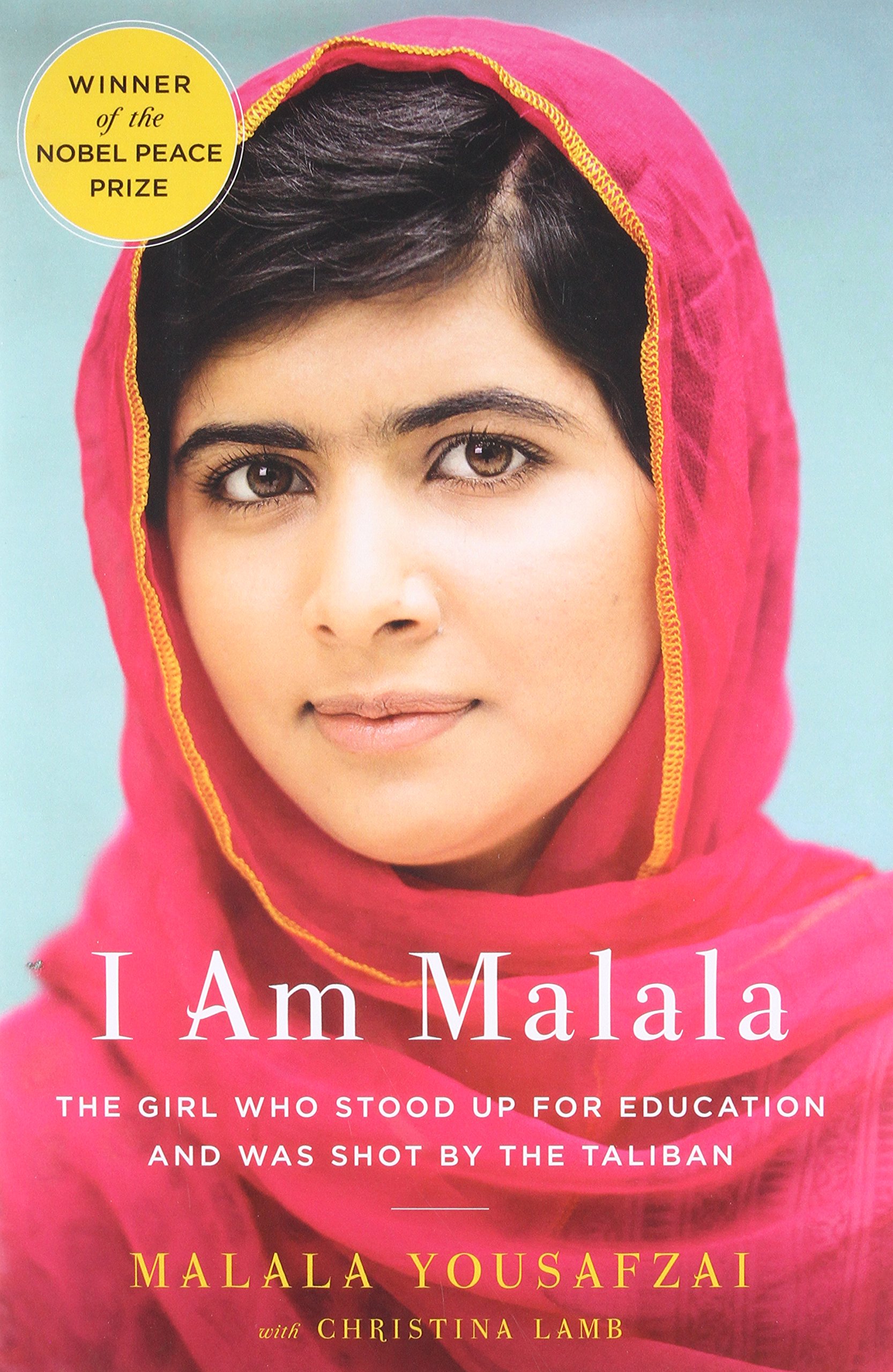 I Am Malala by Malala Yousafzai (ISBN: 978-0-297-87092-0) is the story of the schoolgirl from the time she was a little girl to the beginning of her recovery in England. The book starts with her young childhood and takes the reader through day she was shot in great detail. Interwoven into her discussion of cricket with friends, friendly competition among classmates, and trips to ancestral villages to visit extended family are brief lessons on Pakistani history and geography, which adequately set the stage for Malala’s life and what would become important to her as she got older. Far away from the bigger cities where more liberal attitudes existed, life in the villages of Swat went on much like it had for centuries, following traditional Islamic custom. Malala’s father was a trend-setter in many ways and surrounded himself with others who wanted to see progress in the field of education. He believed everyone should have an education. He also didn’t have a lot of use for many of the traditions that prevented women from freely moving about, going to school, or otherwise expressing themselves. His oldest daughter followed in his footsteps and was nationally prominent by the time she was of junior high age, having won a few national awards, having met with various Pakistani dignitaries on the way. She enjoyed school, enjoyed learning, and wished everyone had the same opportunity. She saw how the lack of such opportunities negatively affected others in her community, including her own mother, who was illiterate. She and two others were shot by Taliban gunmen in 2012, and because she needed long-term intensive care and was under continued threat, she and her family were evacuated to the UK, where they have lived ever since.