I have always appreciated the American Founding. It is full of amazing stories (maybe even a bit of legend thrown in there) of amazing people that sacrificed greatly, including their very lives, for a vision, an idea, that had the potential to bring them and their posterity the great blessings of liberty. The stories of Lexington and Concord, Valley Forge, and New York and Boston were both captivating and inspiring. History can be dry, but the lessons learned from greats like Washington, Nathan Hale, Jefferson, Franklin, Paul Revere, and others were obvious and applicable. I haven’t always appreciated the thin margin that these heroes were operating on. I have always believed that God had a hand in establishing the United States of America, but have only more recently come to realize that there were so many miracles involved. The writing and ratification of the Constitution is one of those miracles.
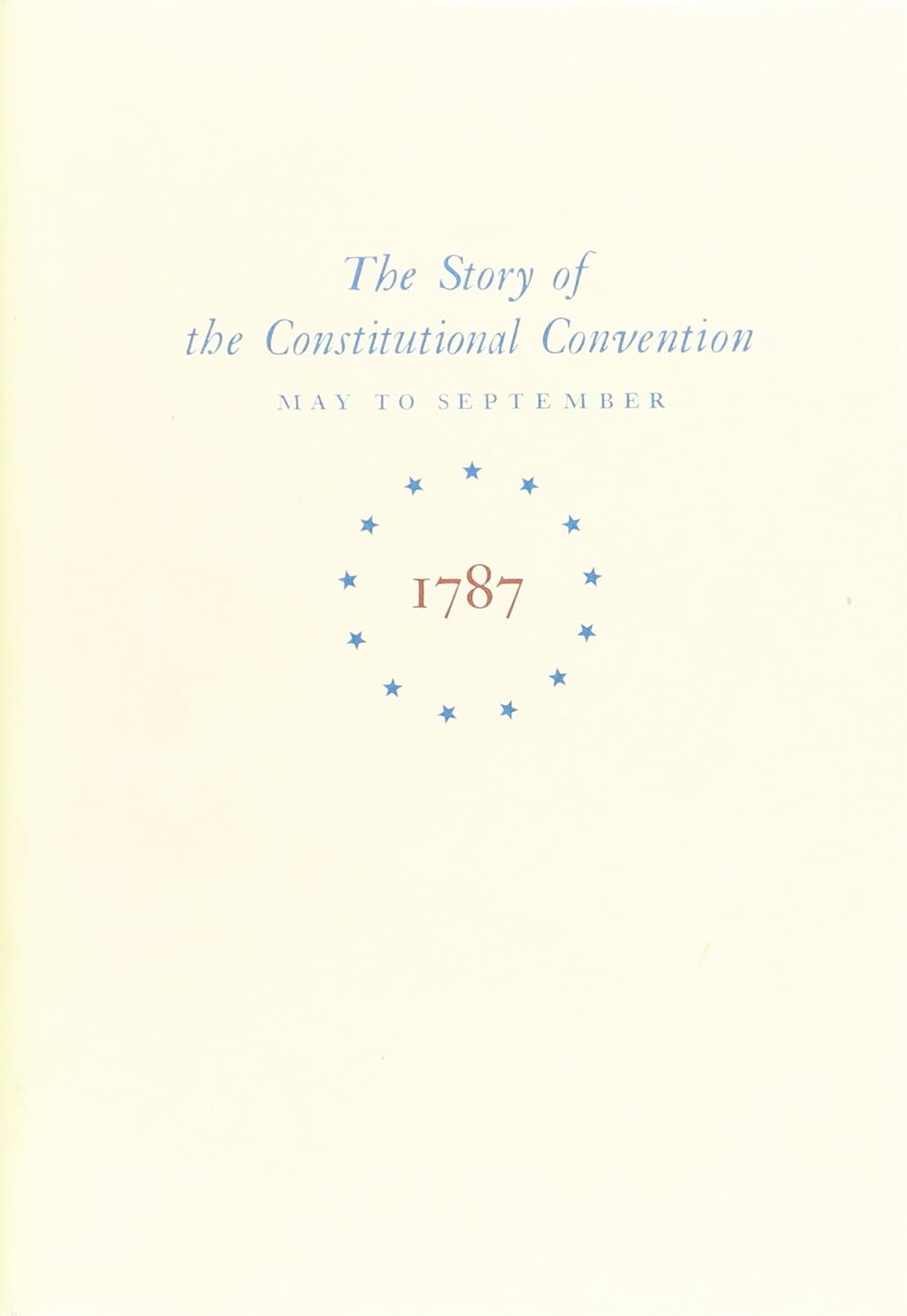 Miracle at Philadelphia: The Story of the Constitutional Convention May to September 1787 by Catherine Drinker Bowen (ISBN: 978-0-316-10378-7) takes an intimate look at the coming into being of the Constitution. The book starts by acknowledging that the Constitution is the result of a miracle. That is not necessarily the author’s conclusion — although it is; it is what those who attended the Constitutional Convention themselves asserted it to be. The case for that is then made by simply recounting the events of the convention and providing a detailed look at the circumstances surrounding the Constitution’s inception. Bowen relies heavily on James Madison’s notes since they were the most comprehensive, but also incorporates the notes and other writings of other Founding Fathers. The picture painted is thorough, deep, and intricate. The account focuses on the major arguments and compromises, which help show how the birth of the Constitution was a miracle. Many delegates wanted nothing to do with a federal government, some leaving early or protesting every vote. Slavery was famously a contentious issue. The nature of the executive branch and whether or not the legislative branch should be mono- or bicameral were fought over tenaciously by men who held deep-rooted positions based on experience or strong philosophical convictions. America itself, a newborn nation only eleven years old at the time of the convention, was already rapidly changing with internal and external forces influencing it course. Finally, once the Constitution was drafted, there was still a high chance of failure since the document had to be ratified, and there were still many convention delegates as well as everyday citizens who were strongly opposed to what the Constitution proposed. Ultimately, it was successfully ratified and has stood the test of time.
The book, widely considered a history classic, was very interesting and well worth the read. It covered all the major issues that presented roadblocks to the adoption of the Constitution as well as the personalities that worked both for and against its enactment. I thought it was interesting to learn more about some of the lesser-known delegates. Not all went on to be presidents, vice presidents, or otherwise famous people. Some, like their idol Washington, simply returned to their farms, estates, and businesses to carry on with their daily lives. Just like the heroes of the Revolutionary War (some of the convention delegates had fought in the war), many of these men set aside their other duties, some at great sacrifice, to do what was right for the nation. That example of selflessness is one that makes itself clear over and over again and was a miracle in and of itself.

|
This work, including all text, photographs, and other original work, is licensed under a Creative Commons Attribution-NonCommercial-NoDerivatives 4.0 International License and is copyrighted © MMXXI John Pruess. |

